
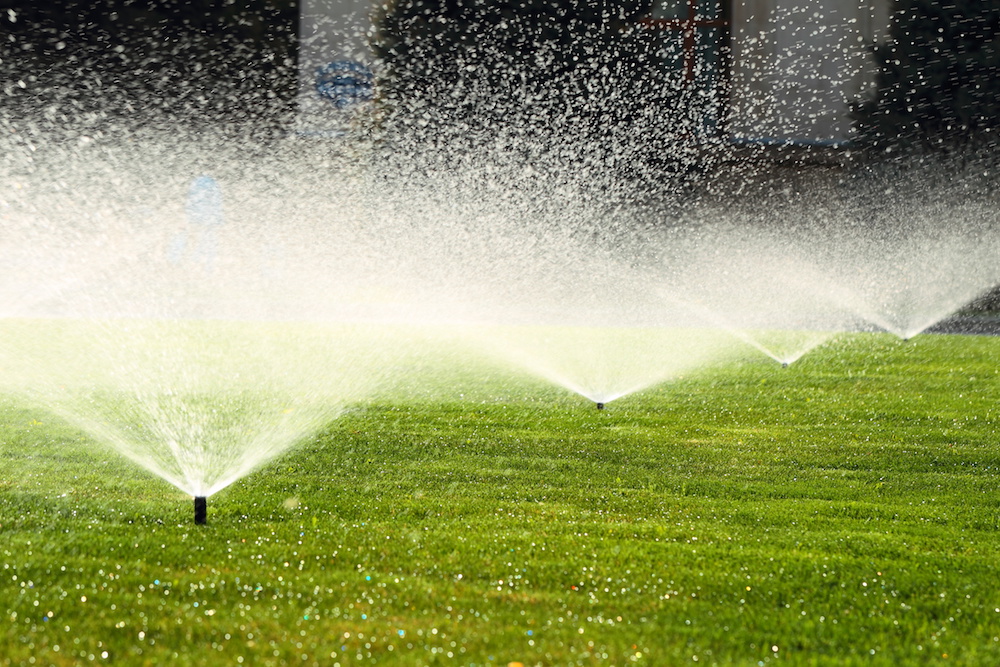
Landscape Irrigation Sprinkler System Inspection

I thoroughly evaluate your irrigation system to ensure it is working efficiently, effectively, and safely. My inspection helps prevent water waste, reduce utility costs, and keep your lawn, garden, and landscape healthy.

Purpose

A Landscape Irrigation Sprinkler System Inspection is a thorough evaluation of the irrigation system. It helps maintain your lawn, garden, and landscape. This inspection ensures that the system is operating efficiently, effectively, and free from issues that could lead to water waste, high utility bills, or poor plant health. Regular inspections can extend the life of the system. In addition, they ensure your landscape is receiving the proper amount of water.

What I Look For

I manually operate all zones or stations on the system through the controller. I check for a rain or moisture sensor; any inoperative zone valves; surface water leaks; the absence of a backflow prevention device; the absence of shutoff valves between the water meter and backflow device; deficiencies in the performance and mounting of the controller; missing or damaged components; and deficiencies in the performance of the water emission devices; such as, sprayer heads, rotary sprinkler heads, bubblers or drip lines.

Why is a Landscape Irrigation Sprinkler System Inspection Important?

Defective irrigation systems can be costly. And most homes are equipped with sprinkler systems. While I am already inspecting a home, add this additional service to know everything before you buy. I manually test each zone to ensure the proper function of each sprinkler head.

  • Water Conservation: A properly functioning irrigation system uses water efficiently, reducing waste and conserving this valuable resource.

  • Cost Savings: By identifying leaks and system malfunctions, you can reduce your water bill. Furthermore, avoiding inefficient watering patterns can help you avoid the cost of large repairs due to system failure.

  • Healthy Landscaping: An optimized irrigation system ensures that your lawn, garden, and landscape plants receive the right amount of water at the right time. This promotes healthier plant growth and prevents overwatering or underwatering.

  • Prolonging System Life: Regular inspections and maintenance help extend the lifespan of your irrigation system by addressing small issues before they become bigger, costlier problems

get started

The Ideal Home Is Waiting for You

lorem ipsum Quam est faucibus porttitor luctus sem phasellus. Pretium neque aliquet .

FAQs

1. Isn't a sprinkler inspection part of the standard home inspection?

Typically, no. Most standard home inspections specifically exclude irrigation systems because they are buried and require a "zone-by-zone" functional test. Because a leak in an underground line can go unnoticed for months, a dedicated inspection is essential to ensure you aren't inheriting a "money pit" in your yard.

2. What exactly do you check during the inspection?

We perform a comprehensive "Stress Test" on the system, including:

-Controller Functionality: Ensuring the "brain" of the system programs correctly and the battery backup is functional.

-Zone-by-Zone Testing: Manually running every zone to check for broken heads, "clogged" nozzles, and poor coverage (dry spots).

-The "Gusher" Search: Identifying underground line leaks that cause localized flooding or low pressure in other heads.

-Rain Sensors: Testing the sensor to ensure the system doesn't run during a rainstorm—a major water-saver.

3. Can a sprinkler system damage my home’s foundation?

Absolutely. This is the #1 reason to get an inspection. If a sprinkler head is misdirected and sprays directly against the siding or foundation, it can lead to:

-Siding Rot: Constant moisture behind the boards.

-Foundation Seepage: Oversaturating the soil next to the foundation, which can lead to cracks or basement leaks.

-Compromised Grading: Erosion that creates low spots where water pools against the house.

4. What is a "Backflow Preventer" and why is it critical?

The backflow preventer is a safety device that prevents dirty irrigation water (containing fertilizers, pesticides, or pet waste) from "back-siphoning" into your home's clean drinking water. We check to see if one is installed and if it shows visible signs of leaking or damage.

Note: Many municipalities require a separate, annual certified test for backflow preventers; we check for the device's presence and condition, but your local water company may require additional specialized certification.

5. How much does a sprinkler inspection cost?

When added to a home inspection, the cost is typically between $75 and $125 for a standard residential lot. For larger estates or commercial properties with 12+ zones, the price may be higher. Considering that a single major underground leak can cost $500+ to repair, this inspection usually pays for itself in avoided "surprises."

6. What if the inspection is during the winter?

If the system has been "winterized" or blown out, we cannot perform a functional test without risking damage to the pipes (as water could freeze). In these cases, we perform a visual inspection of the controller and the visible components of the backflow preventer, and we recommend that the buyer requests a "working system" guarantee from the seller.

7. What are the "Red Flags" that require immediate repair?

-Geysers: Heads that have been mowed over or snapped off.

-Cross-Connection: When the system is tied into the plumbing in a way that risks contamination.

-Stuck Valves: Zones that won't turn off, which can flood a yard in hours.

-High Pressure: Systems that "mist" rather than "spray," which wastes water and damages delicate plants.

Inspecting with Precision, Ensuring Peace of Mind

  • Phone: 979-525-1970

Licenses

  • TREC# 26346

  • TPCL# 0943900

  • MAT# 1534

Copyright 2026. Wittner Inspection Services, LLC. All rights reserved.