
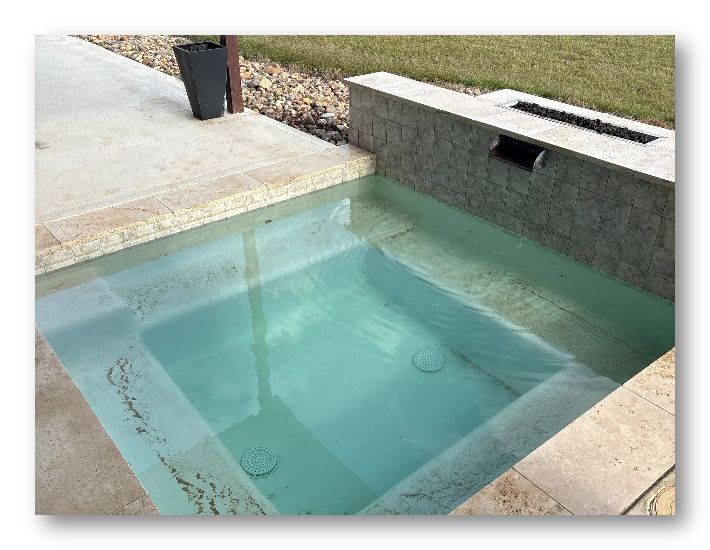
Pool & Spa Inspection

I perform a thorough inspection of your pool and spa to ensure they are safe, functional, and in good condition. Whether you’re buying, selling, or maintaining a property, my inspection helps identify potential issues early, protecting your investment and giving you peace of mind.

What Is Inspected?

I inspect all swimming pools, hot tubs, and spas in accordance with the TREC SOPs. I inspect the type of construction. I identify deficiencies in the main drain; pump motor, blower, or other electrical equipment that lacks bonding; safety barriers; water leaks in above-ground pipes and equipment; ground-fault circuit interrupter protection devices; surfaces; tiles, coping, and decks; slides, steps, diving boards, handrails, and other equipment; drains, skimmers, and valves; filters, gauges, pumps, motors, controls, and sweeps; lighting fixtures; and the pool heater that these standards of practice require to be reported for the heating system.

Why It Matters

  • Health & Safety – Ensures your pool and spa are safe to use and reduces risks like accidents, electrical hazards, and water contamination.

  • Avoid Costly Repairs – Early detection of leaks or malfunctioning equipment can save you significant repair costs.

  • Peace of Mind – If buying or selling a property, you’ll know your pool or spa is in proper working order.

  • Legal Compliance – I verify that safety features meet local codes and regulations.

A Pool & Spa Inspection gives you confidence that your investment is safe, functional, and well-maintained.

get started

The Ideal Home Is Waiting for You

lorem ipsum Quam est faucibus porttitor luctus sem phasellus. Pretium neque aliquet .

FAQs

1. Isn't a pool inspection included in my home inspection?

In most cases, no. Most standard home inspections specifically exclude pools and spas because they require specialized knowledge of hydraulic pressure, chemistry, and unique electrical safety codes. While we might note if the pool is "green" during a home inspection, a dedicated pool inspection is a separate, deep-dive evaluation of the entire system.

2. What exactly do you check during the inspection?

We perform a comprehensive visual and functional analysis of:

-The Vessel: Looking for cracks in the plaster/liner, tile damage, and signs of "popping" (the pool lifting out of the ground).

-The Equipment: Testing the pumps, filters, heaters, and salt-cell systems for leaks and proper operation.

-The Decking: Checking for trip hazards, proper drainage, and "hollow" spots under the concrete.

-Safety Features: This is the most important part—verifying that fences, self-closing gates, and anti-vortex drain covers meet current safety standards.

3. Will you check for leaks?

We perform a functional leak assessment, which means we look for visible water loss around equipment, damp soil near the pool, and "structural" cracks.

The Distinction: We do not typically perform "pressure testing" on underground lines or "bucket tests" (which take 24 hours). If we see evidence of a leak, we will recommend a specialized leak detection company to pinpoint the exact underground location.

4. Why is the electrical inspection so critical for pools?

Water and electricity are a deadly combination. We check for:

-Bonding and Grounding: Ensuring all metal components (ladders, light niches) are properly bonded to prevent electric shock.

-GFCI Protection: Verifying that all pool lights and nearby outlets trip exactly when they should.

-Outdated Equipment: Identifying older, dangerous underwater lights that may not be properly sealed.

5. What if the pool is "closed" or "winterized" for the season?

If the pool is covered and the pipes are blown out, a full functional inspection is impossible. However, we can still perform a visual structural assessment of the visible decking, the equipment's exterior condition, and the safety barriers. We always recommend that buyers ask sellers to "open" the pool before the inspection for a complete test.

6. Do you inspect "Smart" pool automation and salt-water systems?

Yes. Many modern pools now use automated control systems (like Pentair or Jandy) that allow owners to control heat, lighting, and cleaning from their smartphones. We check the control panel functionality and the salt-chlorine generators to ensure the cells are clear of calcium buildup and are properly communicating with the main system. If the automation is "glitching," it can lead to improper chemical balancing or expensive pump failures, so we make sure the tech is working as well as the hardware.

7. What are the "deal-breakers" in a pool inspection?

While "deal-breaker" is a strong term, three things should give any buyer pause:

-Major Structural Cracks: This can indicate soil movement and may cost $10,000+ to stabilize.

-A Failing Heater: These units are expensive to replace and often hide internal corrosion.

-Non-Compliant Safety Barriers: If the fencing doesn't meet local code, you may be unable to get homeowners insurance until it’s replaced.

Inspecting with Precision, Ensuring Peace of Mind

  • Phone: 979-525-1970

Licenses

  • TREC# 26346

  • TPCL# 0943900

  • MAT# 1534

Copyright 2026. Wittner Inspection Services, LLC. All rights reserved.