Ancillary Service
Outbuilding Inspection
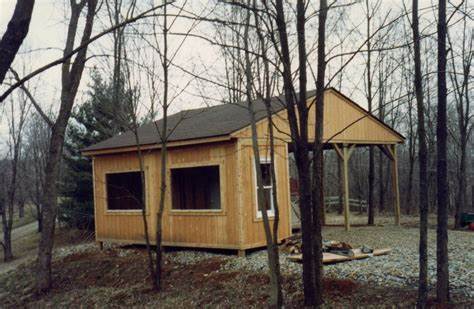
I perform a visual inspection of readily accessible components of detached structures such as garages, sheds, barns, workshops, and guesthouses, in accordance with TREC Standards of Practice.
Outbuilding Inspection
An Outbuilding Inspection is similar to a home inspection. I inspect the structural, electrical, plumbing, heating, ventilation, and cooling systems. All aspects of an outbuilding are inspected for safety and hazards. Outbuildings are anything from shops, storage sheds, boat houses, etc.
Whether you're buying, selling, or maintaining a property, this inspection helps you understand the current, observable condition of detached structures so you can make informed decisions and plan accordingly. If an outbuilding is unsafe and is costly in repairs, then why purchase the property? Save money and know what you are buying before you buy.
What I Inspect
Structural Integrity
Foundations, framing, roofing — checking for racking, settlement, or rotted sills.
Electrical Safety
Sub-panels, grounding, and exterior overhead or buried lines verified safe.
Plumbing (if present)
Water pressure, water heater safety, and waste handling for ADUs and guest houses.
Pest Activity
Outbuildings are the front lines for termites, carpenter ants, and rodents.
Roofing & Drainage
Ensuring runoff isn't flooding the main house's foundation.
Fire Separation
Verifying fire-rated walls and doors where required for attached garages.
Frequently Asked Questions
Real questions buyers ask before choosing an inspector.
Usually, no. Standard home inspections focus on the primary living structure. Small sheds on skids are typically excluded, but larger, permanent structures (like detached garages, guest houses, or barns) are considered add-on services. Since these buildings have their own foundations, roofs, and often electrical sub-panels, they require additional time and expertise to inspect properly.
Ready for a thorough, unrushed inspection?
Schedule online in minutes — reports within 24 hours, one home per day, client-first service.