
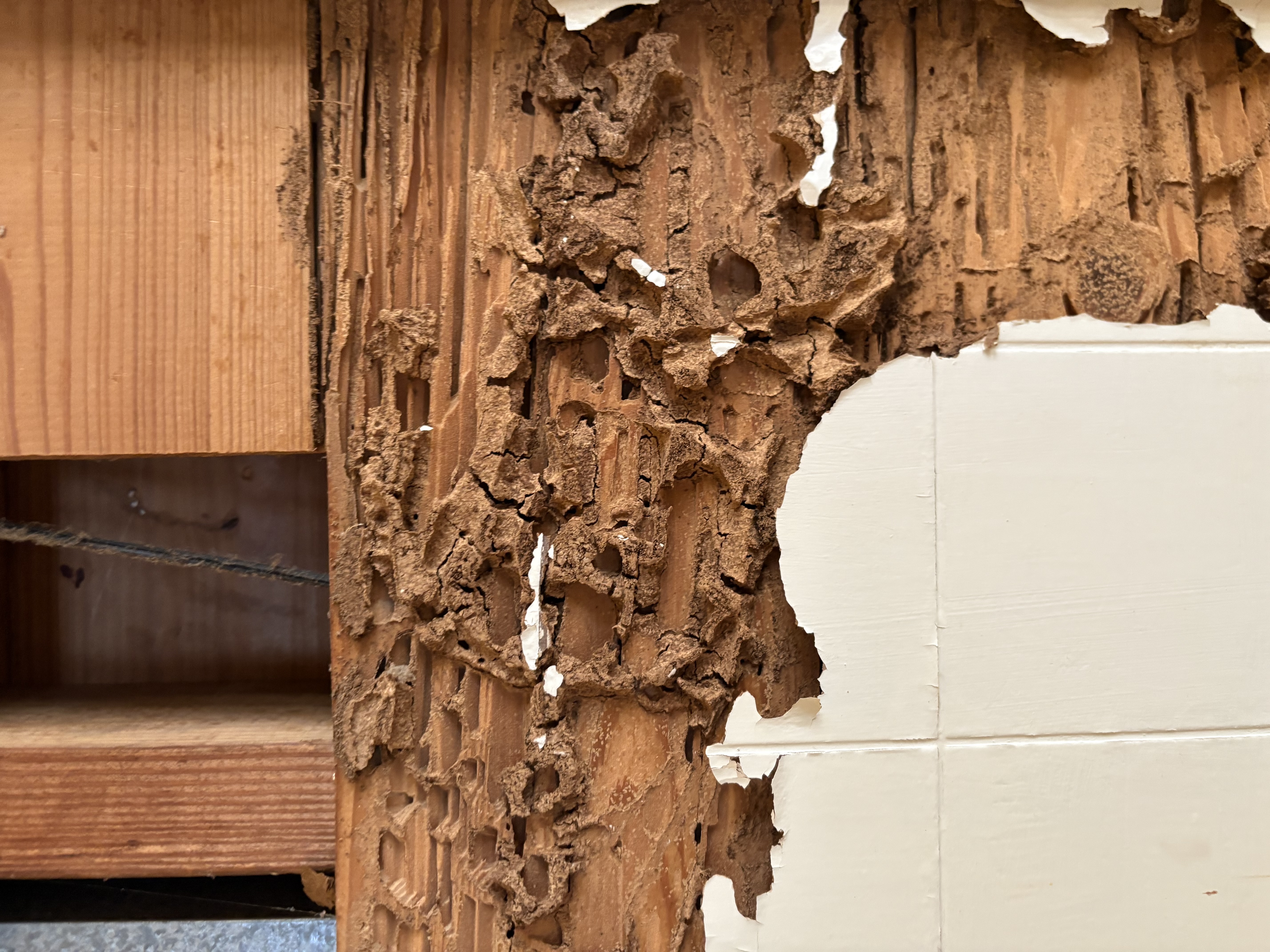
Prevent Costly Termite Damage with a Professional Inspection
I provide professional Termite (Wood-Destroying Insect) Inspections to help identify active infestations or existing damage before it becomes costly. Termites can silently compromise the structural integrity of a home, which is why early detection is critical—especially during a real estate transaction.
Wittner Inspection Services, LLC is licensed through the Pest Inspection Network (TPCL #0783068).
Termites and other wood destroying insects can destroy your home causing costly repairs. An inspection identifies the presence, previous presence, damaged areas, and areas that are conducive to these insects. Know what is there and take the necessary actions.
Protect Your Investment – Early detection helps avoid costly structural repairs
Buyer Confidence – Essential peace of mind when purchasing a home
Prevention – Identify risks before termites become a serious problem

Comprehensive Visual Inspection - I carefully inspect accessible interior and exterior areas of the property, focusing on high-risk locations such as:
Foundations and crawl spaces
Attics, basements, and structural framing
Door frames, window sills, and exposed wood
Exterior soil, wood-to-ground contact, and stored lumber
Signs of Termite Activity - I look for visible indicators of termite presence, including:
Mud tubes along foundations or walls
Frass (termite droppings)
Hollowed or damaged wood
Discarded wings or swarmers
Moisture & Conducive Conditions - Because termites thrive in damp environments, I evaluate areas with moisture intrusion, poor ventilation, or leaks that may increase the risk of infestation.
Specialized Detection Tools - When appropriate, I may use tools such as moisture meters, infrared imaging, or probing instruments to help identify hidden activity or conditions favorable to termites.
While everyone calls it a "termite inspection," the scope is actually broader. A certified inspector looks for evidence of several wood-destroying organisms:
-Subterranean and Drywood Termites
-Carpenter Ants (which nest in wood)
-Carpenter Bees
-Wood-Boring Beetles (like Powderpost beetles)
-Evidence of past treatments or existing damage
Not usually by state law, but it is frequently required by lenders. If you are using a VA, FHA, or HUD loan, a WDI report is almost always mandatory. Even with a conventional loan, most real estate attorneys and agents recommend one because the cost of an inspection is negligible compared to the cost of replacing a structural floor joist.
A standard WDI inspection typically costs between $75 and $200.
-If bundled with a general home inspection, you can often get a discount.
-The price may increase for properties with multiple detached structures (like barns or sheds) or homes with difficult-to-access crawlspaces.
Inspectors aren't just looking for live bugs; they are looking for the "fingerprints" they leave behind:
-Mud Tubes: Pencil-thin tunnels on foundation walls used by termites to travel.
-Frass: Tiny wood-colored droppings (common with beetles and drywood termites).
-Exit Holes: Small, round holes in timber or drywall.
-Shelled Wings: Discarded wings near windowsills or doors after a "swarm."
-Buckling Paint: Often mistaken for water damage, this can be a sign of termite galleries just beneath the surface.
Don't panic—a positive report isn't necessarily a deal-breaker. It usually triggers two next steps:
-Treatment: A professional pest control company treats the soil or "spots" the infestation (typically costing $500–$2,500 depending on the method).
-Structural Assessment: If the damage appears significant, a contractor or structural engineer may need to verify if the home is still safe.
Note: In many standard real estate contracts, the seller is responsible for the cost of treatment, while the buyer may be responsible for further structural repairs, though this is always negotiable.
For most mortgage lenders, the report is valid for 30 to 90 days. Because insects are mobile, a "clear" report from six months ago is considered obsolete by the time you reach the closing table.
Standard WDI inspections are non-invasive. This means the inspector will not tear down drywall or pull up floorboards. They use high-powered flashlights, tapping tools (to listen for hollow wood), and sometimes moisture meters or infrared cameras. If the insects are deep inside a wall with no exterior signs, a standard inspection might not catch them—which is why "preventative" history is so important to check.
A professional termite inspection helps protect your home, your investment, and your peace of mind.
lorem ipsum Quam est faucibus porttitor luctus sem phasellus. Pretium neque aliquet .
