Ancillary Service
Clear Answers About the Air You Breathe
If you're concerned about visible mold, musty odors, or unexplained health symptoms, I can help. My professional mold inspection services identify the presence and type of mold in your home or property—so you can take informed steps toward protecting your health and your investment.
Clear Answers About the Air You Breathe
My professional mold inspection services are designed to identify the presence and type of mold in your home or property — including airborne mold spores, surface mold growth, and moisture-related conditions that support mold development.
Note: Different mold spore counts affect individuals differently, so consult your healthcare provider to see how mold spore levels affect you.
What's Included in My Mold Inspection
Air Sampling
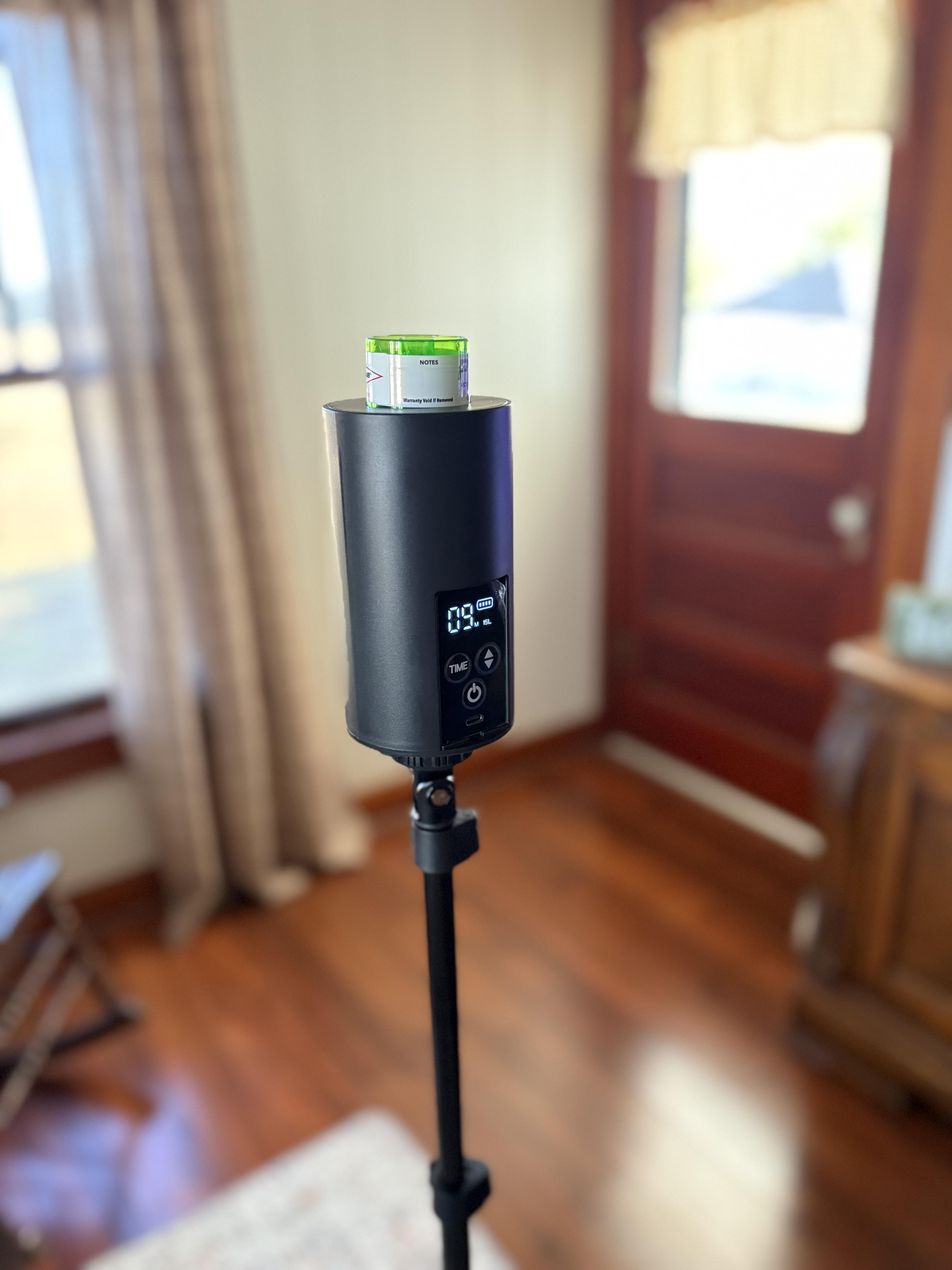
Air samples collected from key areas to measure mold spore levels inside the home.
Surface Sampling
Swab or tape samples taken from visible mold or suspicious staining to identify mold type.
Independent Lab Analysis
All samples sent to an accredited third-party laboratory; results typically within 72 hours.
Clear Inspection Report
Detailed, easy-to-understand report with lab results, photos, and recommendations.
Full Home Scan
All areas of the home and major systems scanned to identify small problems early.
Moisture Assessment
Moisture-related conditions that support mold development identified and documented.
Why It Matters
You should get a mold inspection if you have:
- Persistent musty or damp odors
- Unexplained allergy or respiratory symptoms
- Recent water leaks, flooding, or moisture intrusion
- Visible mold on walls, ceilings, or HVAC components
- Buying, selling, or renting a property
- Verifying the results of recent mold remediation
Pricing
Starting at $375
Includes lab fees when bundled with a home inspection.
Download TDLR Consumer Mold Information Statement (CMIS)Required disclosure from the Texas Department of Licensing and Regulation for all mold inspections.
Frequently Asked Questions
Real questions buyers ask before choosing an inspector.
You don't always need a professional. If you can clearly see the mold (e.g., on a bathroom wall) and the area is small (under 10 square feet), the EPA generally suggests you can clean it yourself.
Call a pro if:
• You smell a musty odor but can't see any growth.
• There has been recent flooding or a major plumbing leak.
• Occupants are experiencing unexplained health issues (respiratory distress, chronic sinus infections).
• You are buying or selling a home and need official documentation.
Ready for a thorough, unrushed inspection?
Schedule online in minutes — reports within 24 hours, one home per day, client-first service.